


When a fresh blanket of snow covers the ground, the city looks like a winter wonderland. When Chicago temperatures plunge below freezing, you’re not thinking about the scenery. You’re worried about the pipes freezing.
It happens every year to countless homeowners all across Chicagoland. Our teams stay busy taking care of burst pipe water damage.
We’re often asked about the best ways to deal with the problem, so we’ve put together this guide. Read on for everything you need to know about frozen burst pipes in your Chicago home or business.
What Happens When Your Pipes Freeze?

“How cold does it have to be for pipes to burst?” That’s one of the questions we hear from our customers every winter. Unprotected pipes freeze at 20 degrees Fahrenheit, but it’s not that simple.
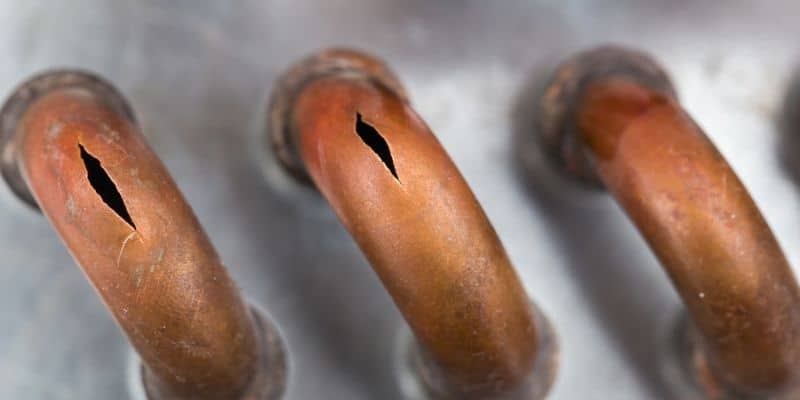
Without proper insulation, long exposure to the cold can freeze pipes at just below 32 degrees Fahrenheit. As water turns into ice, its volume increases by 9% and exerts pressure as high as 40,000 psi on your home’s plumbing.
Whether it happens inside a wall or down in the basement, a ruptured pipe can spill hundreds of gallons of water per minute. It’s not a good idea to wait for frozen pipes to thaw on their own. You can’t be sure about how long it takes for pipes to unfreeze. You can be sure that when pipes burst, the water damage spreads very quickly.
How to Know If a Frozen Pipe Burst: 5 Signs to Watch For
Knowing how to check for a frozen burst pipe makes it easier to stay a